Fotona 4D Laser Facial (TimeWalker) in Encino, CA for Firmer, Brighter Skin
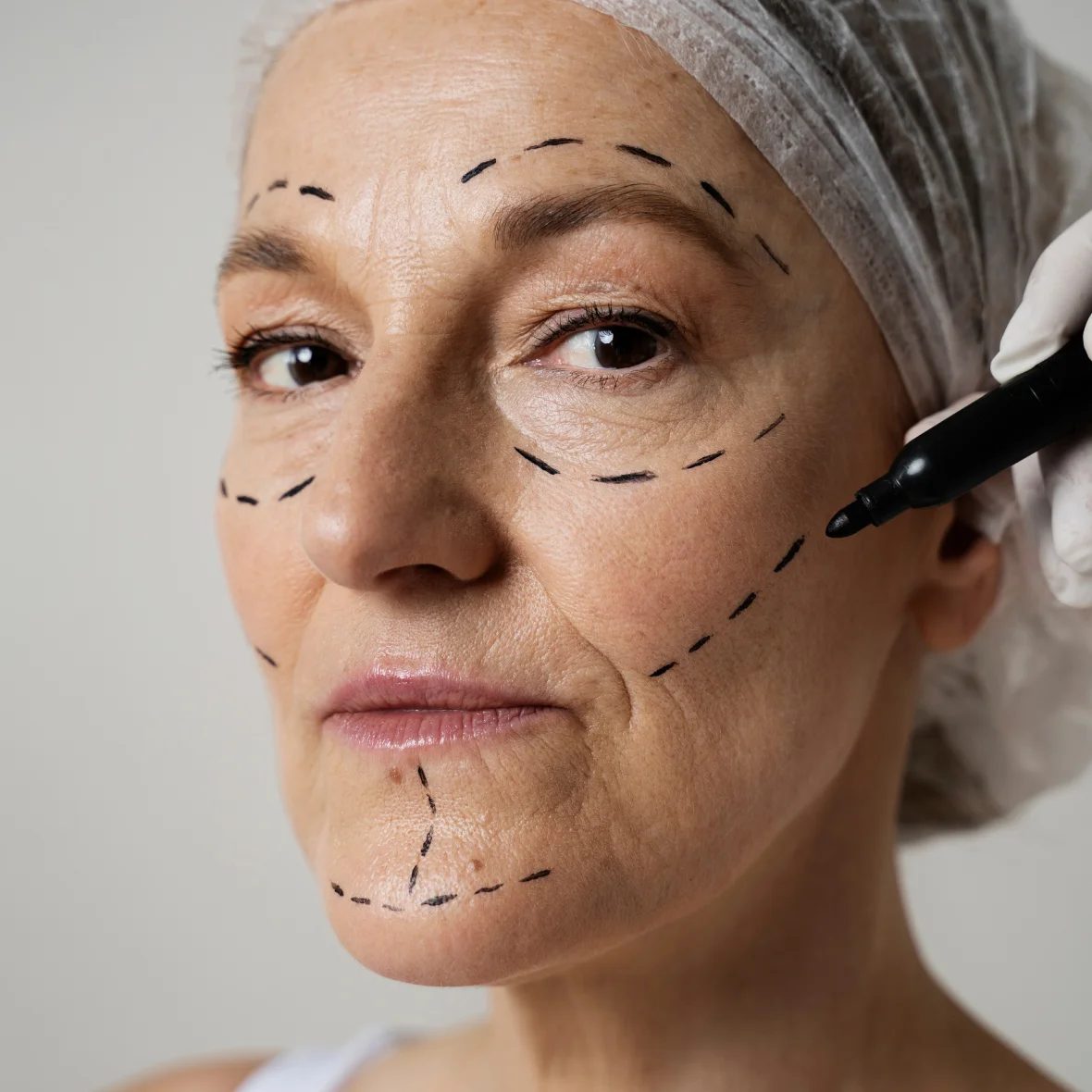
Skin rarely changes all at once. More often, it happens in layers. A little laxity around the mouth. Makeup settling into lines it used to glide over. A surface that looks slightly dull even when you are sleeping well and doing all the right things at home. That is part of why the Fotona 4D Laser Facial, often associated with the TimeWalker platform, has attracted so much attention in Encino. It is designed to address multiple levels of the skin and soft tissue in one treatment plan, rather than chasing a single concern in isolation.
People often come in asking for a tighter jawline, brighter tone, softer lines, or a fresher overall look. What they usually mean is that they want to look more rested and less drawn, without looking treated. That distinction matters. The best laser work is not about changing your face. It is about improving skin quality and supporting structure in a way that still feels like you.
For patients considering a Fotona 4D Laser Facial (TimeWalker) in Encino, CA, the appeal is straightforward. It is a non-surgical approach that can target texture, laxity, fine lines, and radiance with relatively manageable downtime compared with more aggressive resurfacing options. It also tends to suit people who are not ready for injectables, are not interested in surgery, or want to maintain results between other treatments.
What makes Fotona 4D different
The term “4D” can sound like marketing language until you understand what it refers to. This treatment typically combines several laser modes and treatment passes, each aimed at a different tissue depth or cosmetic goal. Instead of relying on a single pass over the skin, the protocol usually moves from internal tissue support to deeper collagen stimulation and then to more superficial polishing.
One of the more distinctive features is the intraoral component, where energy is delivered from inside the mouth to heat tissue around the cheeks and perioral area. That approach can help support areas that are difficult to reach effectively from the surface alone. Patients are often surprised by this step, but in practice it is usually quick and well tolerated.
The external portion of treatment may include deeper bulk heating, fractional resurfacing, and a lighter finishing pass to improve overall glow. The exact settings and sequence can vary based on the provider, the platform configuration, and the patient’s skin type and goals. That customization is important. A patient with early cheek laxity and mild acne scarring should not be treated exactly like someone whose main issue is fine crepey texture around the mouth.
In experienced hands, the value of Fotona 4D is not that it does everything. No device does. The value is that it can address several common signs of facial aging in a coordinated way, often with less downtime than fully ablative laser resurfacing.
Why patients in Encino ask for it
Encino has no shortage of people who want visible skin improvement without a dramatic recovery period. Busy schedules, social obligations, on-camera work, and simple day-to-day practicality all shape treatment choices. Many people are willing to deal with a little redness or a sandpapery texture for a Fotona 4D Laser Facial (TimeWalker) Encino, CA few days. Fewer want a week or two of intense downtime.
Climate matters, too. In the San Fernando Valley, sun exposure is a year-round reality. That does not mean laser treatments are off the table. It does mean that sun habits, pigment risk, and timing need to be part of the discussion. A treatment that stimulates collagen and brightens skin can be very rewarding, but it also needs careful aftercare and strong daily sun protection to preserve results and reduce the chance of post-inflammatory pigmentation, especially in patients with more melanin-rich skin.
For that reason, a good consultation in Encino should never be a sales conversation alone. It should include a realistic assessment of skin tone, recent sun exposure, history of melasma or hyperpigmentation, active acne or rosacea, and whether the patient can follow post-treatment instructions.
The concerns this treatment addresses best
Fotona 4D tends to perform best when the goal is overall rejuvenation rather than one dramatic correction. Patients with mild to moderate laxity, early lines, uneven texture, enlarged pores, or a tired-looking complexion often do well. It can also be useful around the mouth, especially in people starting to notice etched lines or softening of the lower face.
If someone has significant sagging, heavy jowling, or deeper folds, expectations need to stay grounded. A laser facial can improve tone and firmness, but it does not replace a surgical lift. Likewise, if the main concern is deeper pitted scarring, a treatment plan may need to include additional modalities such as microneedling radiofrequency, subcision, or other scar-focused approaches.
That is where judgment matters more than branding. The best outcomes come from matching the tool to the problem, not forcing every concern into the same device.
What a treatment session actually feels like
Patients are often nervous before their first session because laser treatments can sound more intense than they feel. In most cases, a Fotona 4D treatment is tolerable with topical numbing or other comfort measures, depending on the settings used and the provider’s protocol. The internal oral pass can feel unusual, more warm than painful. The deeper external heating often feels like repeated snaps of heat. The finishing resurfacing steps may create a prickly or sunburn-like sensation.
A full appointment usually includes cleansing, photography, preparation, treatment itself, and post-care instructions. Time in the chair varies, but many sessions fall roughly around an hour, sometimes longer if the treatment is more customized or combined with complementary procedures.
Immediately afterward, most people look pink to moderately red, similar to a brisk sun exposure. There can be swelling, especially around the mouth or under the eyes, depending on the area treated and the intensity. Over the next few days, the skin may feel dry, slightly rough, or bronzed. This stage often worries first-timers, but it is a common part of the process. The surface can feel a bit like fine grit before it smooths out.
The results do not usually appear all at once. Some people notice a fresher look within days, largely from mild swelling and early skin turnover. The more meaningful tightening effect develops gradually as collagen remodeling unfolds over several weeks to months.
The difference between immediate glow and true remodeling
One reason laser consultations can get confusing is that “results” can mean different things. The brightening effect and smoother feel can show up relatively early. That part is satisfying, and it is one reason many patients like the treatment. But the firmer, more supported look is slower. Collagen stimulation is a biologic process, not an overnight trick.
Patients who understand this tend to be much happier. They are less likely to overreact in the first week and more likely to appreciate subtle changes that build over time. In practice, providers often recommend a series rather than a single session if the goal is meaningful rejuvenation. The exact number depends on skin condition, age, baseline laxity, and budget. Some people do well with a short series followed by maintenance, while others use it more selectively before major events or seasonal transitions.
Who tends to be a strong candidate
The ideal candidate is not defined by age alone. I have seen patients in their thirties love this treatment because they wanted to get ahead of texture changes and early laxity, and I have seen patients in their fifties and sixties use it as part of a maintenance strategy when they wanted visible improvement without surgery.
A few signs often point to a good fit:
- mild to moderate skin laxity, especially around the cheeks, jawline, or mouth
- fine lines, rough texture, or enlarged pores that make skin look tired
- a desire for improvement with less downtime than aggressive resurfacing
- willingness to complete a series if needed, rather than expecting a one-time transformation
- commitment to sun protection and post-treatment care
Patients with active infections, certain inflammatory skin conditions, significant recent tanning, or a history of problematic pigmentation may need treatment delayed or modified. Those details are not minor. They are often the difference between a smooth recovery and a frustrating one.
How it compares with other facial rejuvenation options
Patients in Encino often weigh Fotona 4D against microneedling, radiofrequency microneedling, traditional fractional lasers, chemical peels, and injectables. Each has a place.
Microneedling can improve texture and stimulate collagen, but it generally does not offer the same combination of intraoral support, deep heating, and surface refinement in one protocol. Radiofrequency microneedling can be excellent for tightening and acne scarring, though downtime, sensation, and risk profile differ. More aggressive ablative lasers may produce stronger resurfacing results for advanced wrinkling or severe sun damage, but recovery is longer and the treatment is not right for everyone.
Injectables, meanwhile, work by different mechanisms. Neuromodulators soften dynamic muscle movement. Fillers restore volume. A laser facial improves tissue quality. Many patients benefit from some blend of these approaches, but not always at once. Good aesthetic planning is often about sequence. For example, treating the skin first can create a better canvas before considering subtle volume correction.
This is also where a consultation can reveal whether the phrase “firmer, brighter skin” means one thing or several. A patient bothered by under-eye hollowness may not be satisfied with laser alone, even if the skin quality improves noticeably. Another patient with blotchy texture and early mouth lines may be thrilled with laser and never need filler.
Downtime in real terms
When clinics say “minimal downtime,” patients sometimes hear “no downtime.” That is rarely the safest assumption. Most people can return to work or routine errands fairly quickly, but they may not want to attend a close-up social event the same evening unless their settings were very conservative.
For a moderate treatment, redness may linger for a day or several days. The skin can feel dry and appear lightly bronzed or rough for a short stretch afterward. Makeup may go on differently until the surface settles. If you have an important event, it is smart to schedule well ahead rather than squeezing treatment into the same week.
This matters even more for patients who are prone to swelling or redness. It does not mean they are bad candidates. It simply means planning should reflect reality, not wishful thinking.
Preparing well makes a difference
Laser outcomes are shaped not only by the device, but by what happens before and after treatment. Patients who prepare carefully usually heal more predictably and are less likely to run into preventable irritation.
The basics are simple:
- avoid significant sun exposure and tanning before treatment
- pause potentially irritating skincare if your provider advises it, often including retinoids and strong acids for a short period
- disclose cold sore history, medication use, and any recent cosmetic treatments
- arrive with clean skin and no active irritation
- follow the aftercare exactly, especially when it comes to gentle cleansing, moisturizer, and sunscreen
That advice can sound routine, but it is not filler. I have seen excellent treatments undermined by a beach weekend, an enthusiastic retinol restart, or a patient who assumed they could jump back into a hot yoga class the next morning.
What recovery usually looks like at home
Most aftercare is refreshingly uncomplicated. Skin likes calm after a laser treatment. Gentle cleansing, barrier-supportive moisturizer, and strict broad-spectrum SPF are the core of it. Patients should also expect to scale back heat, friction, exfoliation, and active ingredients until the skin barrier settles.
One practical point patients appreciate is that “looking healed” and “being fully recovered” are not always the same. Even if visible redness fades quickly, the skin may still be more reactive than usual for a little while. That is not the time to experiment with a new acid toner, a fragrant scrub, or a long, hot hike without sun protection.
For those living in Encino, the sun issue deserves repeating. Daily UV exposure in Southern California is easy to underestimate because it feels ordinary. Even brief car rides and outdoor errands add up. A hat, shade, and consistent sunscreen use protect the investment you just made.
How many treatments are usually needed
There is no honest universal answer, which is exactly why patients should be cautious around one-size-fits-all promises. Some people see enough improvement after one treatment to feel it was worthwhile. Others need a series to reach the level of tightening or refinement they want. A common approach is to reassess after the first session and determine whether additional treatments would meaningfully build on the result.
Age, baseline collagen, sun damage, smoking history, hormone shifts, sleep, and skincare habits all influence response. So does treatment intensity. A more conservative first session can be wise for safety and tolerability, particularly in patients with reactive skin or pigment concerns.
Maintenance also matters. Collagen-building treatments can improve the way skin behaves, but they do not freeze time. Patients who stay consistent with skincare, sunscreen, and periodic maintenance sessions usually hold onto their results better than those who treat once and disappear for years.
Questions worth asking during a consultation
A strong consultation should leave you with clarity, not just enthusiasm. Ask how the provider customizes the Fotona 4D Laser Facial (TimeWalker) Encino, CA treatment for skin type and concern. Ask what recovery typically looks like in their patient population, not just in theory. Ask whether they expect one session or several, and what kind of result is realistic for your face, your skin, and your goals.
It is also fair to ask whether another treatment might suit you better. Skilled providers do not force every patient into the same box. If they think radiofrequency microneedling, a different laser, or a combined plan would serve you better, that honesty is a good sign.
The payoff when treatment is chosen well
When this treatment is well matched to the patient, the result is often subtle in the best sense of the word. Skin looks fresher. Light reflects better. The face appears less fatigued. Fine lines soften, texture evens out, and there is a little more snap to the tissue. Friends may comment that you look well rested without being able to identify exactly why.
That kind of improvement tends to age well because it is rooted in skin quality, not just camouflage. It does not depend on a dramatic immediate effect that disappears in a week. Instead, it builds quietly and can become part of a broader long-term skin strategy.
For patients interested in Fotona 4D Laser Facial (TimeWalker) in Encino, CA, the key is not whether the treatment sounds impressive. The key is whether it fits your skin, your timeline, your tolerance for downtime, and your actual goals. When those pieces line up, it can be a very effective way to pursue firmer, brighter skin without taking an overly aggressive route.
OMNIA Wellness Center
16430 Ventura Blvd Ste 207, Encino, CA 91436
Phone: +1 818-386-8511
FAQ About Fotona 4D Laser Facial (TimeWalker) Encino, CA
What is a Fotona laser good for?
Fotona lasers support several different aesthetic protocols. The Fotona 4D facial uses two wavelengths and four treatment modes to address concerns such as fine lines, skin texture, and mild laxity. OMNIA Wellness Center offers the TimeWalker facial with an individual consultation. Suitability and likely improvement depend on the person's skin and goals; results are not guaranteed, and this treatment does not reproduce a surgical facelift.
How much does a Fotona laser treatment cost?
The cost depends on the treatment protocol, areas treated, number of sessions, and provider's assessment. Ask OMNIA Wellness Center for a current written quote that explains what is included, whether follow-up is included, and any proposed package terms. An individualized estimate is more useful than assuming that one advertised price applies to every facial treatment.
How much downtime is there after a Fotona laser procedure?
Recovery varies with the specific protocol and intensity. Fotona describes its 4D facial as having little to no downtime, but temporary redness or sensitivity can occur, and a stronger surface treatment can require more recovery. Ask the treating clinician what to expect from the planned settings, how to care for the skin afterward, and when to contact the clinic with concerns.